Codegea

Development

Custom software developmentSystems, platforms and integrations built around your operationCorporate websitesProfessional, fast and built to inspire trustOnline storesCatalog, payments and shipping ready to sell 24/7WooCommerceFast WooCommerce stores with each country’s payments and invoicingLanding pagesA page focused on one goal: turning visitors into customersMobile appsCustom iOS and Android apps that put your business in your customers’ pockets

Integration and CMS

CMS integrationsWordPress, Strapi, Directus and Arc XP connected to your whole ecosystemArc XPSupport, implementation and integrations for the media platformMigrationsMigrate your site, platform or database without losing anything

Growth and infrastructure

AI automationTechnology does the repetitive work and your team focuses on what mattersOn-page SEOBe found and recommended by Google: technical and content optimizationServers & hostingFast, secure servers monitored 24/7
RetainerYour dev team, by the monthFrom 20h a month. Fixed fee.
An AI quoting tool to quote services in minutesProfessional quotes in minutes, with projects, sellers and payments tracked in one place.See the case

By type

EcommerceStores and catalogsCorporate sitesBrand and lead genPlatforms & appsCustom software

Explore

All projectsCases and resultsClientsWho trusts usRetainerMonthly dev team

Blog

All articlesGuides and opinionNewsletterOne email a monthContactWe reply in 24h

Latest articles

Integrating Piano, Cxense and Google Ad Manager with Arc XPCMS · 2026-10-13How to migrate from WordPress to Arc XP without losing SEOCMS · 2026-10-13Arc XP vs WordPress for a digital media outlet: when to make the jumpCMS · 2026-10-13
NewsletterJoin our newsletterPractical web, SEO and AI notes.
ServicesCustom software developmentCorporate websitesOnline storesWooCommerceLanding pagesMobile appsCMS integrationsArc XPMigrationsAI automationOn-page SEOServers & hostingYour dev team, by the month
ProjectsProfessional quotes in minutes, with projects, sellers and payments tracked in one place.EcommerceCorporate sitesPlatforms & appsAll projectsClientsRetainer
Retainer
BlogAll articlesNewsletterContactIntegrating Piano, Cxense and Google Ad Manager with Arc XPHow to migrate from WordPress to Arc XP without losing SEOArc XP vs WordPress for a digital media outlet: when to make the jumpJoin our newsletter
ESEN
Let's talk

Web

Supercharge Your Website: Key Tips for Performance Optimization in Web Development

Web performance optimization guide: images, caching, minification, lazy loading and testing to speed up your site and improve SEO.

Derian Pinto · Founder & Full Stack Developer2025-01-262 min
Supercharge Your Website: Key Tips for Performance Optimization in Web Development

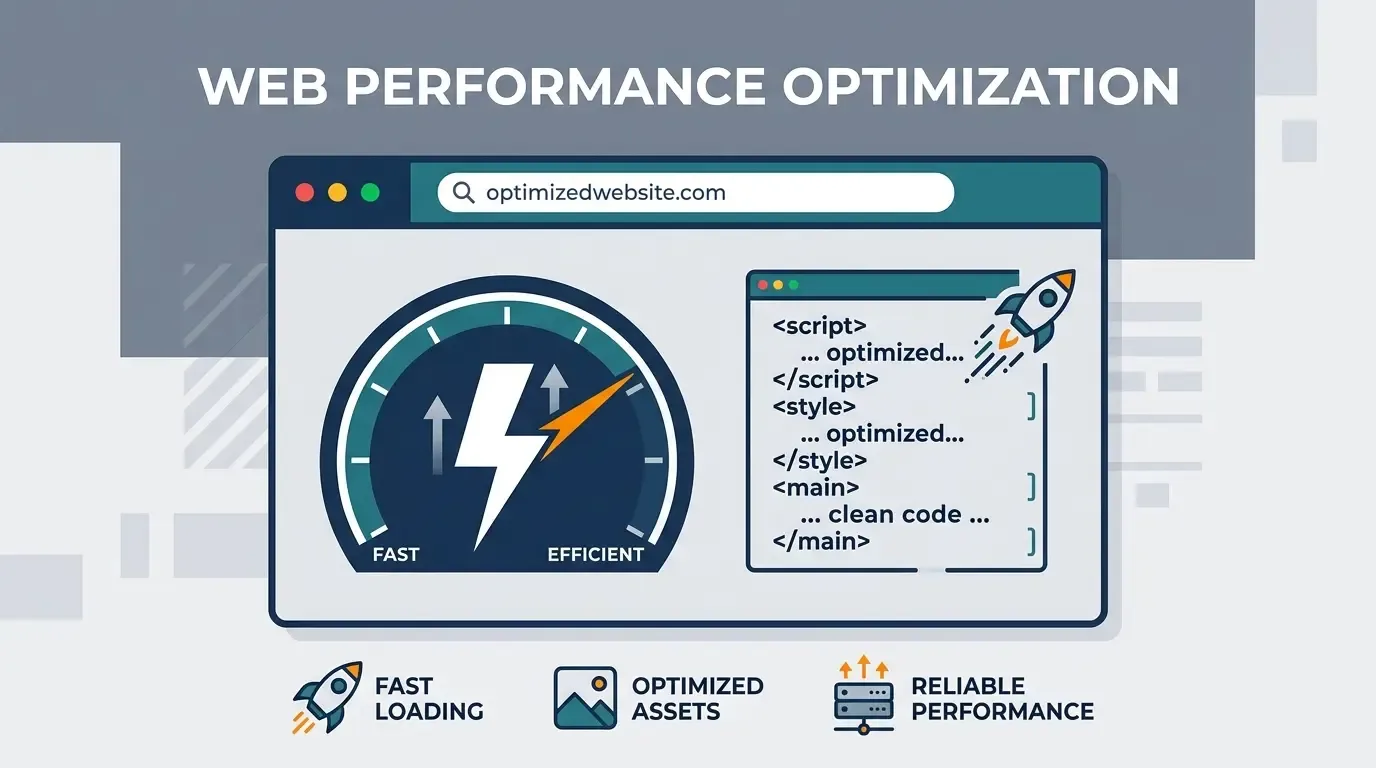
Performance optimization is a critical factor for the success of any website. In this article we will explore key tips that will let you supercharge your website, improve the user experience and ensure optimal performance.

1. Web-optimized images

Start your optimization by focusing on images. Compress them and use efficient formats such as WebP. Also implement lazy loading techniques so images load only when they are needed, speeding up the initial load time.

2. Minification and compression of resources

Minify and compress your JavaScript, CSS and HTML code. Reducing file sizes makes data transfer easier and significantly improves load times.

3. Efficient use of caching

Take advantage of caching to reduce page load time. Configure cache headers properly to allow a faster experience for returning users.

4. Deferred loading of resources

Delay the loading of non-essential resources using techniques such as deferred loading of scripts and styles. This optimizes initial load speed and improves the user's perception of speed.

5. Preloading strategies

Implement preloading of critical resources, such as fonts and scripts, so they load ahead of time. This ensures a smooth experience when navigating between pages.

6. Reducing HTTP requests

Minimize the number of HTTP requests by combining files and making efficient use of CDNs. Reducing the request load speeds up loading and improves efficiency.

7. Server-side code optimization

Make sure your server-side code is optimized. Optimize database queries, use caching and consider implementing serverless techniques to improve efficiency.

8. Continuous performance testing

Run performance tests regularly using tools such as Lighthouse, PageSpeed Insights or WebPageTest. These tests give you valuable information about areas for improvement and help you maintain optimal performance.

9. Efficient use of external sources

Limit the number of external sources, such as third-party scripts and styles. Every external request adds load time, so make sure you evaluate the need for each external resource.

10. Real-time performance monitoring

Implement real-time performance monitoring tools to identify problems immediately. This lets you address any issue before it negatively affects the user experience.

Conclusion: performance optimization is ongoing

Optimizing your website's performance not only improves load speed, it also contributes to user satisfaction and search engine rankings. Implement these key tips and watch your website rise to new levels of efficiency. Performance optimization is not a one-time task but a constant process worth reviewing regularly.


At Codegea we optimize the performance of websites and servers in Ecuador: caching, CDN, images, code and load times. If your site is slow and you want it to fly, let us talk.

Share this article?LinkedInWhatsAppX

Written by

Derian Pinto

Founder & Full Stack Developer

Founder of Codegea. Builds custom websites, stores and platforms, and integrates and supports Arc XP for media companies.

Join our newsletter

An email with news and practical web, SEO and AI notes. No spam, unsubscribe anytime.

Shall we build your project?

Need help? Chat with us